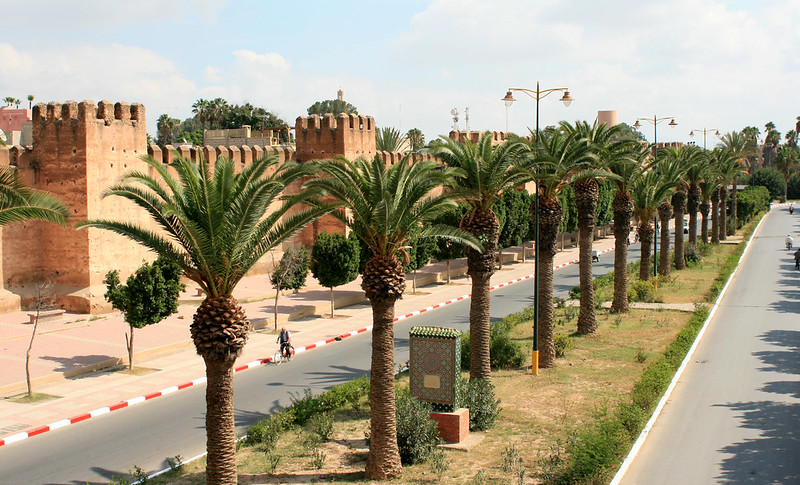
Beyond the bustling ocher walls of Taroudant, the spirit of Morocco is revealed in its western rural area, a landscape where time is measured by the slow growth of palm trees and the persistence of ancient traditions. Here, the Tiout Palm Grove Taroudant emerges as a vibrant oasis, a testament to agricultural ingenuity and Berber cultural resilience. This sector, often overlooked by visitors who focus on the walled city, offers a deep immersion into authentic Moroccan rural life, dotted with ruined kasbahs, centuries-old granaries, and trails whispering forgotten stories.
The Tiout Palm Grove Taroudant is located approximately 30 km southeast of Taroudant along the road to Igherm, although its vast agricultural landscape is perceived to the west of the main city. This oasis is home to over 20,000 palm trees, a green backdrop that blends harmoniously with orange trees, pomegranates, and essential crops of wheat, barley, and corn. The irrigation of this green paradise is a marvel of ancient engineering, maintained by a local river and an intricate network of traditional canals. Dominating this fertile landscape is the Kasbah of Tiout, a 16th-century fortress that rises majestically on a hill. This kasbah not only offers unparalleled panoramic views of the palm grove but also functions as a local restaurant, where tagines are savored with the fresh air of the oasis. For visitors, a leisurely ride among the palm trees on a donkey or mule, or a gentle hike along the agricultural paths, are highly recommended experiences.
The rural surroundings of Taroudant are dotted with ruined kasbahs in various states of preservation. Many of these structures, semi-ruined, are naturally integrated into the landscape of palm groves and fields, evoking the nostalgia of an agricultural past. Some, like the aforementioned Kasbah of Tiout, have been restored and operate as riads or restaurants, offering a window into local architecture and hospitality. In addition to the kasbahs, impressive collective granaries (agadirs) are preserved in nearby villages like Igherm and Aoulouz, vestiges of ingenious communal defenses and storage systems from past eras.
The forgotten paths of this rural region invite leisurely exploration. Dirt trails traverse vast orchards and cereal fields, gradually ascending towards cultivated terraces and the deep Souss gorges. Local agriculture follows millennial patterns, cultivating wheat, barley, and, notably in Taliouine, saffron, all framed by rich biodiversity including argan and olive trees. Community life is palpable; Berber villagers, who inhabit traditional earth houses, manage agricultural cooperatives and strive to maintain their ancestral traditions.
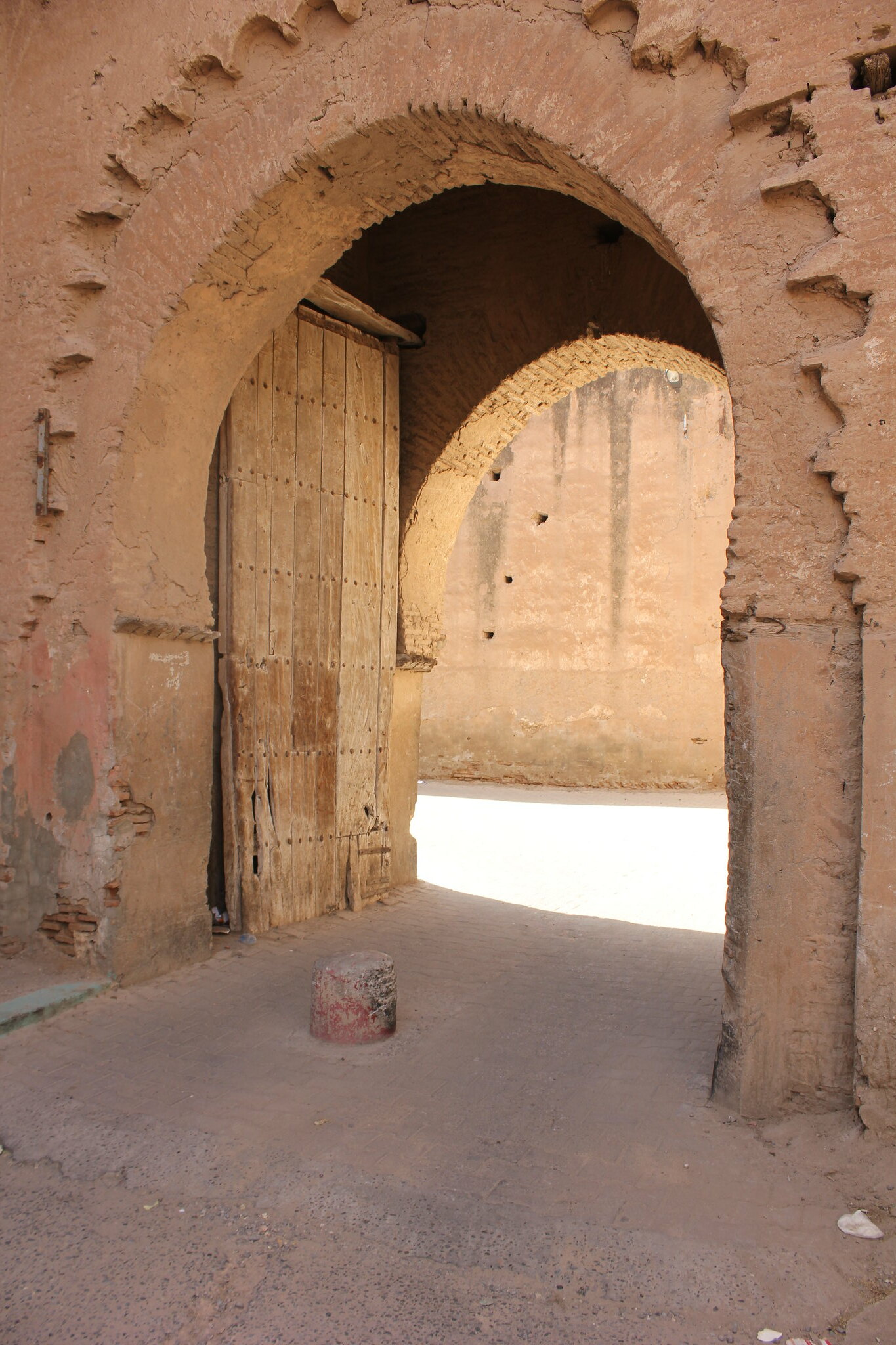
The experience in the rural area of Taroudant is profoundly synesthetic. Visually, intense ochres and the vibrant green of palm trees unfold, with kasbahs sharply silhouetted against a clear sky. Aurally, the constant whisper of water in the irrigation channels, the rustle of dry leaves, the jingle of donkey bells, and the joyful laughter of children are perceived. To the touch, the adobe walls are soft and warm, contrasting with the coolness of the shade and the rough texture of the palm trees. The scent is delighted by an intoxicating blend of vegetable earth, citrus, and damp wood from the fields, along with the aroma of freshly baked bread and the rich tagines from the kasbahs. Finally, the taste is satisfied with wild herbs, the fresh citrus flavor of lemon, and every sip of Moroccan tea enjoyed on terraces overlooking the palm grove.
For a conscious exploration of this Moroccan gem, it is recommended to take the road from Taroudant towards Igherm or Tiout, and then follow the local paths. Mornings or sunsets are the ideal times to avoid the heat and enjoy the most spectacular colors and light. Hiring local guides is highly advised; they can offer donkey rides, explain the ingenious irrigation systems, and share stories about the ruins. Cultural respect is fundamental, asking permission before entering kasbahs and supporting local agricultural cooperatives and artisans. For equipment, sturdy footwear, a hat, sufficient water, and a camera to capture panoramas among orchards and palms are suggested.
In summary, the rural area west of Taroudant, with its Tiout Palm Grove Taroudant, its historic kasbahs, and its forgotten paths, offers a profound experience where living history merges with the poetic. Circling the city through this silent green expanse is to enter a real, less touristy Morocco, full of cultural meanings and ancestral beauty that endures in every palm tree and every adobe stone.