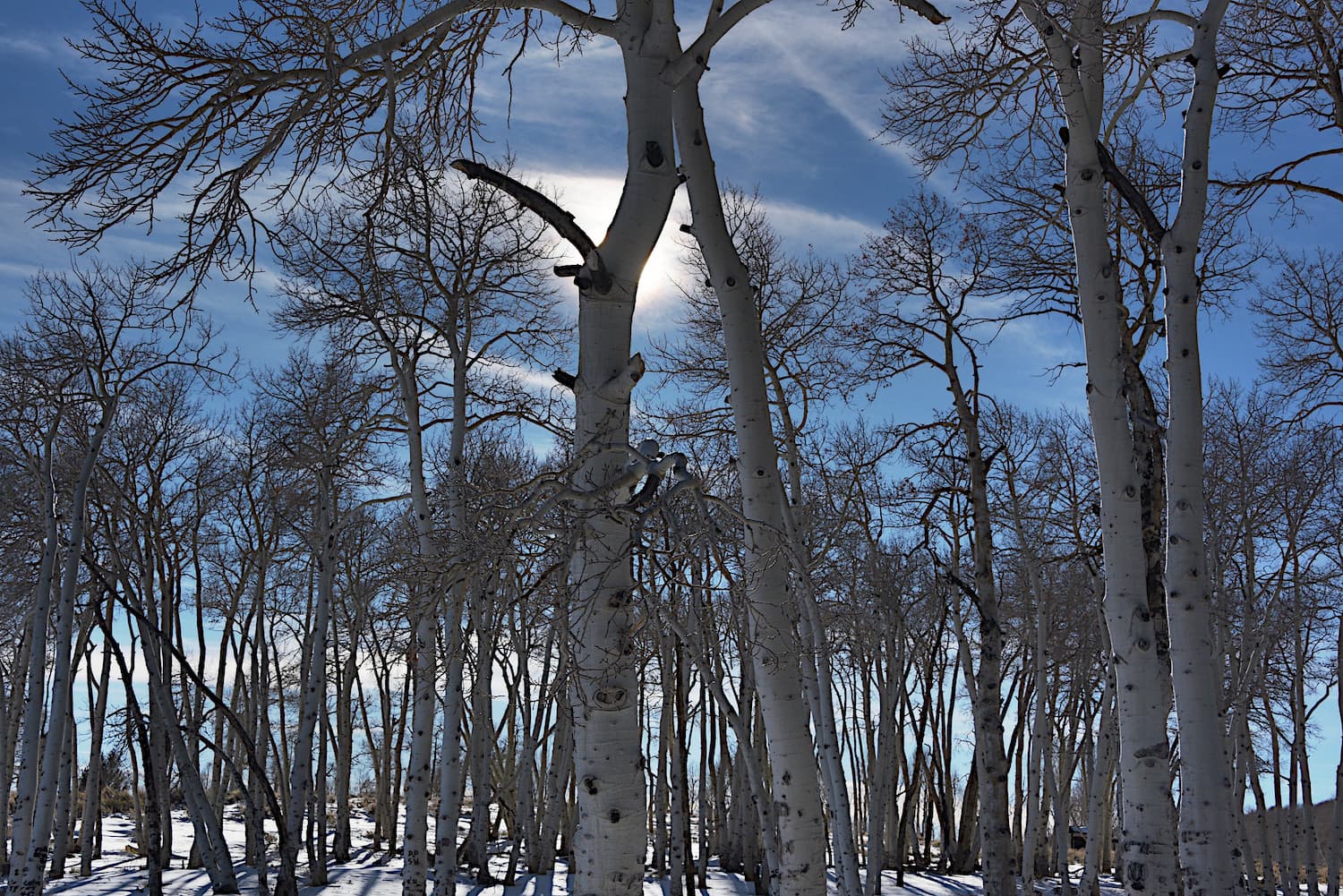
On a quiet plain near Richfield, in central Utah, lives one of the oldest and heaviest living organisms on Earth. It doesn’t roar, it doesn’t walk, and it has no beating heart, yet it pulses with thousands of trembling leaves whenever the wind stirs. Its name is Pando, but scientists know it as the Trembling Giant—a clonal colony of quaking aspens that is, biologically speaking, a single living being.
What appears to be a forest is actually one interconnected organism, made up of genetically identical trees that have sprouted from a single root system. Every visible trunk is simply a shoot from the same ancient root network. Covering over 100 acres, Pando is not a grove but a singular lifeform. Its origins are traced back to the end of the last Ice Age, over 14,000 years ago, possibly even longer.
Perhaps even more astonishing is its mass: over 6,000 metric tons, making it not only the oldest known living organism, but also the heaviest. Yet, despite its grandeur, Pando is vulnerable. It has withstood wildfires, drought, and millennia of natural change, but today it faces a subtler threat: human impact and the lack of natural grazers, which has disrupted its natural regeneration cycle.
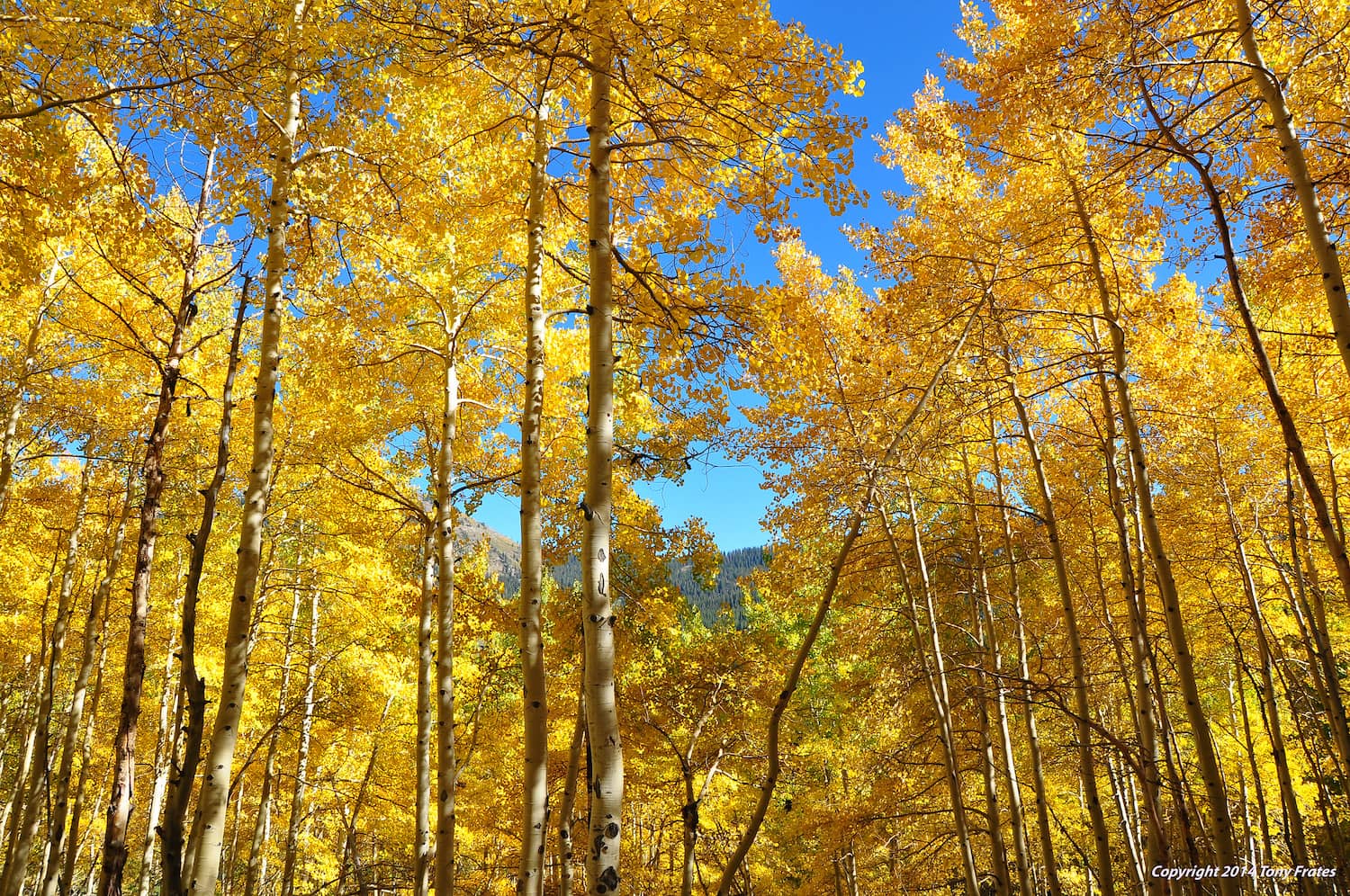
Unlike most natural attractions, visiting Pando is a quiet, almost meditative experience. There are no gates, no gift shops, no crowds—just an ancient grove to be found by those who know how to listen. In autumn, its leaves shimmer in gold, as if the whole forest were aflame. In spring, its new growth whispers promises of resilience—if we let it endure.
Pando is not just a marvel of nature; it is a reminder that resistance and unity can thrive below the surface. In an age of speed and noise, this silent giant speaks to the power of time, patience, and hidden connection.