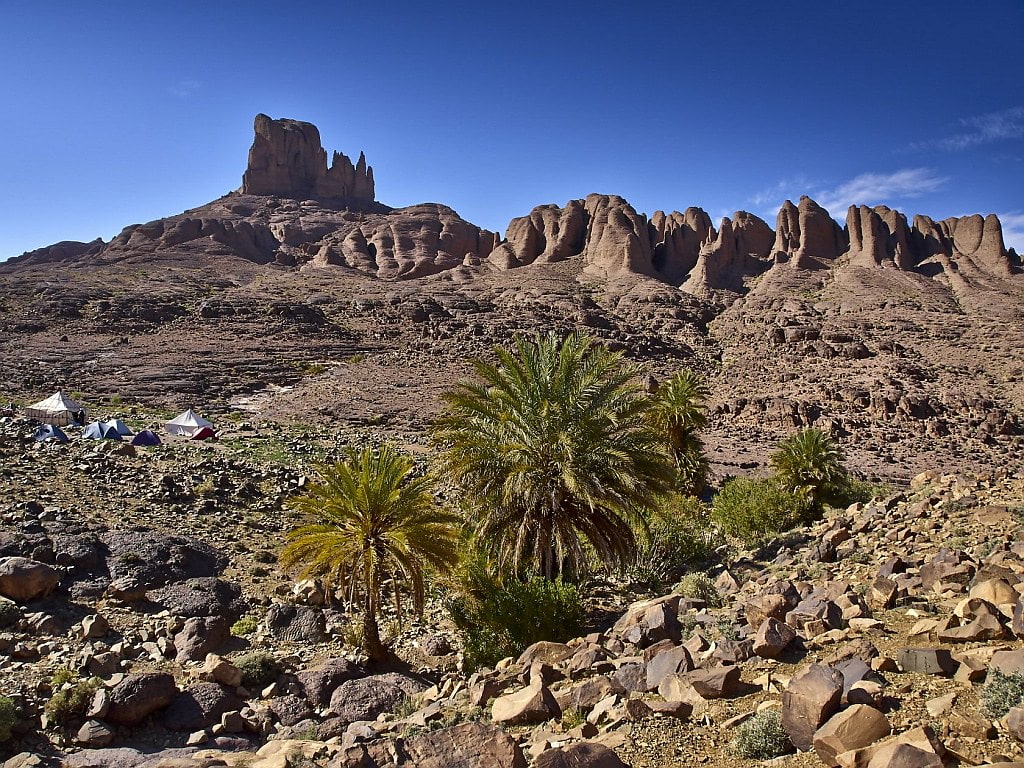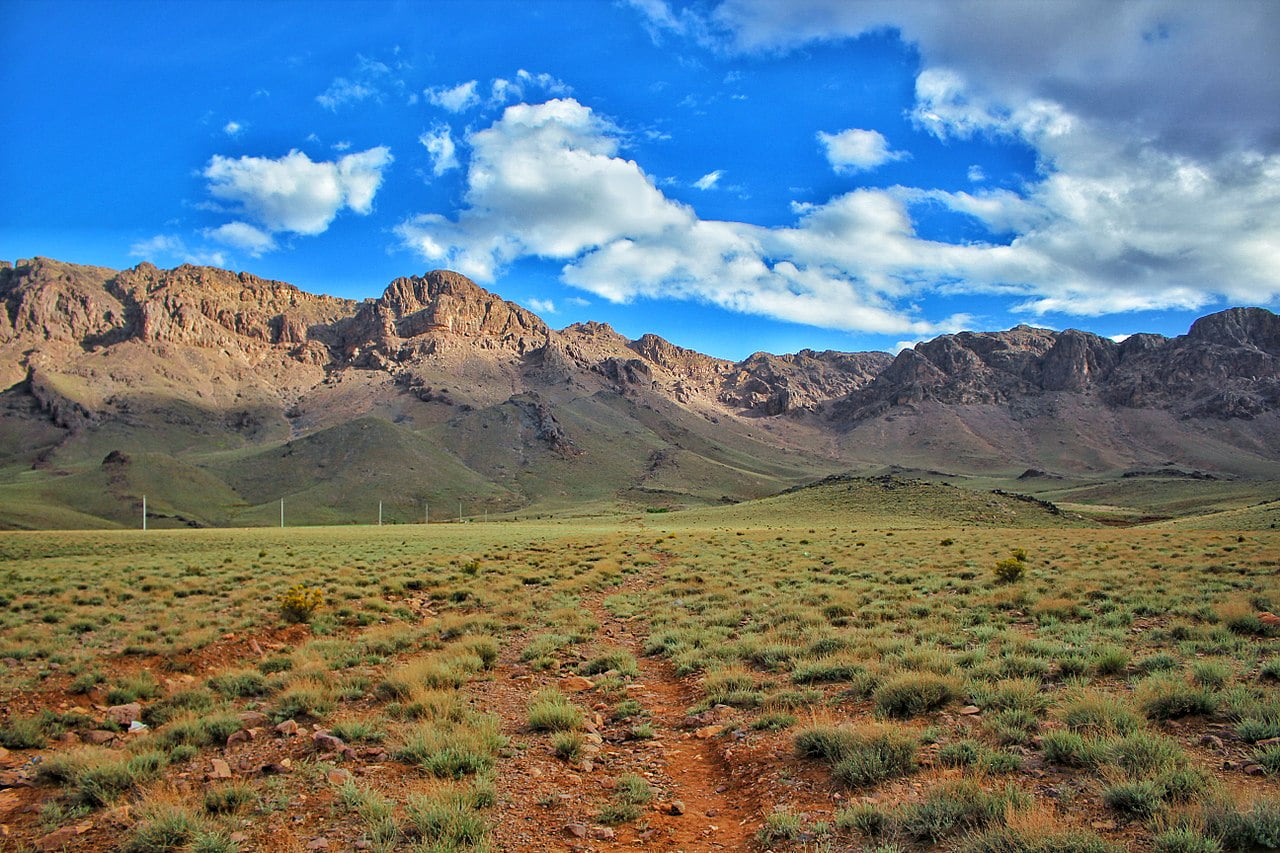
In the remote and wild expanse of southern Morocco, serving as an enigmatic bridge between the imposing peaks of the High Atlas and the golden vastness of the Sahara Desert, lies a mountainous massif of almost extraterrestrial beauty: the Saghro Mountains. This corner of the Anti-Atlas is a hidden gem, a canvas eroded by time where geology merges with ancient Berber culture to create a landscape that is, quite simply, breathtakingly Brutal.
Upon entering the Saghro Mountains, travelers are greeted by a lunar landscape Morocco that defies imagination. Unlike the more abundant vegetation of the High Atlas, here aridity has sculpted spectacular rock formations: undulating plateaus, pointed pinnacles rising like petrified needles, deep canyons, and secluded valleys. The rock colors—intense red, warm ochre, and charcoal black—transform at sunset, when the setting sun “ignites” the rocks, giving the panorama an almost Martian feel. It is a sight that imprints itself on the retina, an invitation to explore a terrain that feels primordial and untouched.
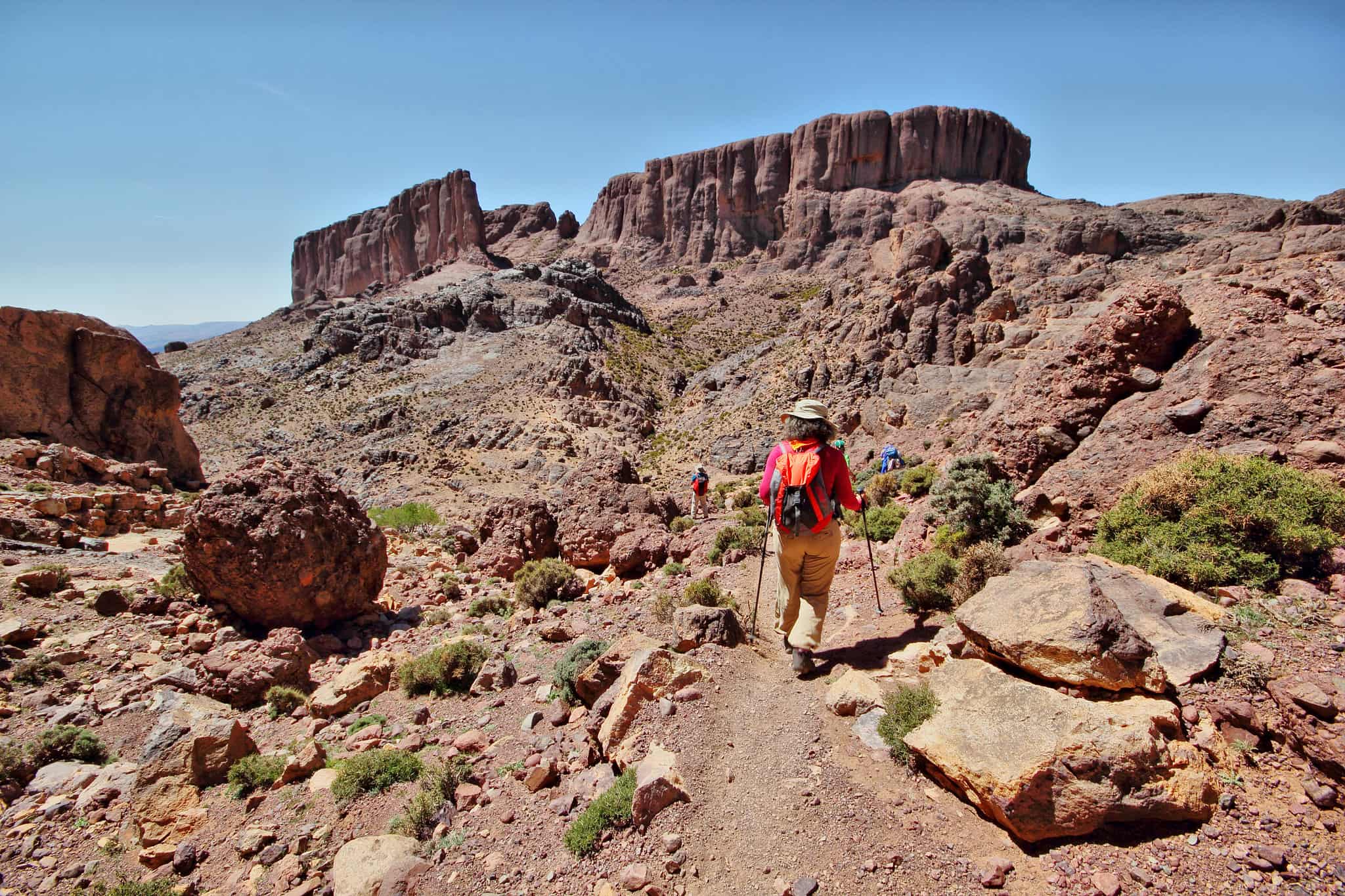
The ideal starting point for unraveling the secrets of the Saghro Mountains is the small village of Tagdilt. From here, countless Tagdilt routes on foot or by 4×4 vehicles branch out into the heart of this massif. Exploring Saghro on foot, especially during winter when the High Atlas is covered in snow, is an unparalleled Morocco winter trekking experience. Routes often connect hidden Berber villages like N’Kob and Tazzarine, crossing mountain passes and steep canyons, offering an intimate perspective of a little-explored Morocco.
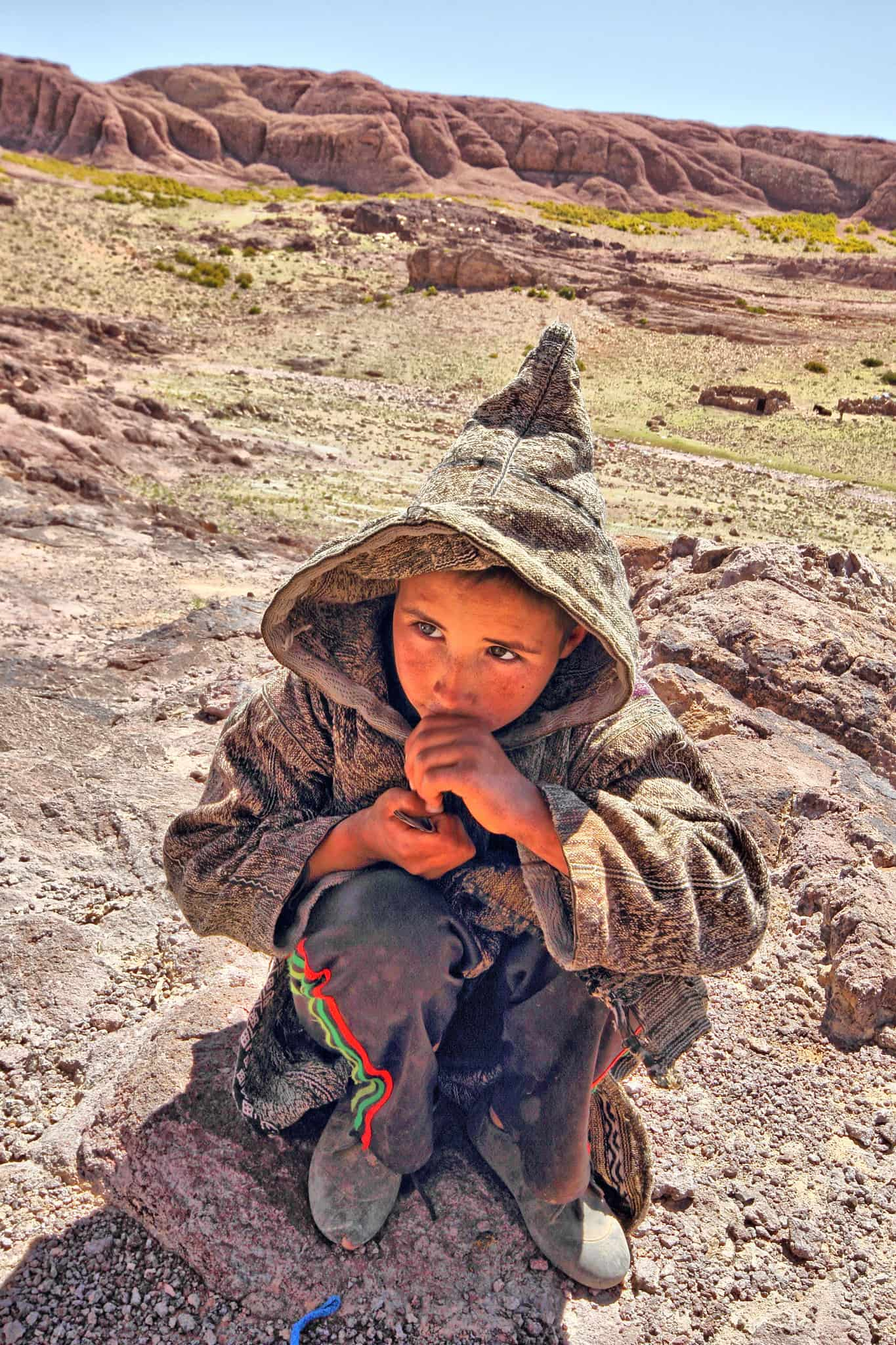
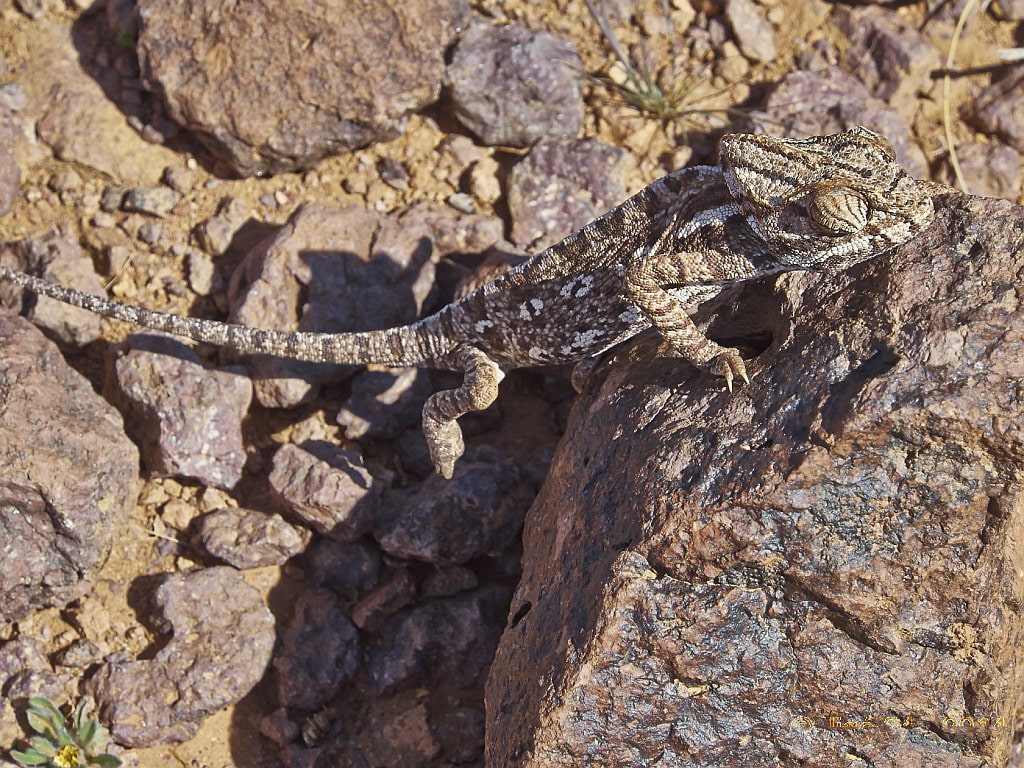
But Saghro is more than just a geological spectacle; it is the ancestral home of the Aït Atta nomads, one of Morocco’s most emblematic Berber tribes. Their transhumant lifestyle, moving their herds of goats and sheep between the peaks and oases according to the seasons, is a millennial dance with the natural rhythms of the mountain. In this seemingly desert landscape, life persists: resilient almond trees, tenacious tamarisks, and medicinal plants like thyme and lavender, adapted to aridity, are testament to the surprising biodiversity. Interaction with these shepherds, often involving overnight stays in nomadic tents or Berber family homes, is a deep immersion in Berber culture, where Amazigh hospitality is the norm and ancestral traditions come alive.
The region is imbued with deep Berber spirituality. The Saghro Mountains are considered sacred places by the Aït Atta, with humble tombs of local saints (marabouts) who, according to belief, protect travelers and livestock. The area’s isolation has allowed ancestral traditions, such as ahouach music and ritual dances during celebrations, to remain vibrant, offering a window into an unaltered cultural heritage.
For travelers, the main gateways are Boumalne Dades and N’Kob. The best time to explore this Anti-Atlas Morocco is from October to April, when temperatures are mild and the climate is dry, ideal for Morocco trekking and exploration. It is highly recommended to travel with a local guide, not only for safety and navigation in unmarked terrain but also to access the vast cultural knowledge and legends of the region, transforming the adventure into a journey of discovery.
Saghro is an intermediate world, a place that defies categorization: not as high and green as the High Atlas, nor as scorching and vast as the Sahara. Its Moroccan rock formations sculpted by wind and sand offer a surreal setting, and its nomadic people keep Morocco’s deepest roots alive, inviting every visitor on a Saghro adventure—a brutally beautiful and profoundly authentic experience.