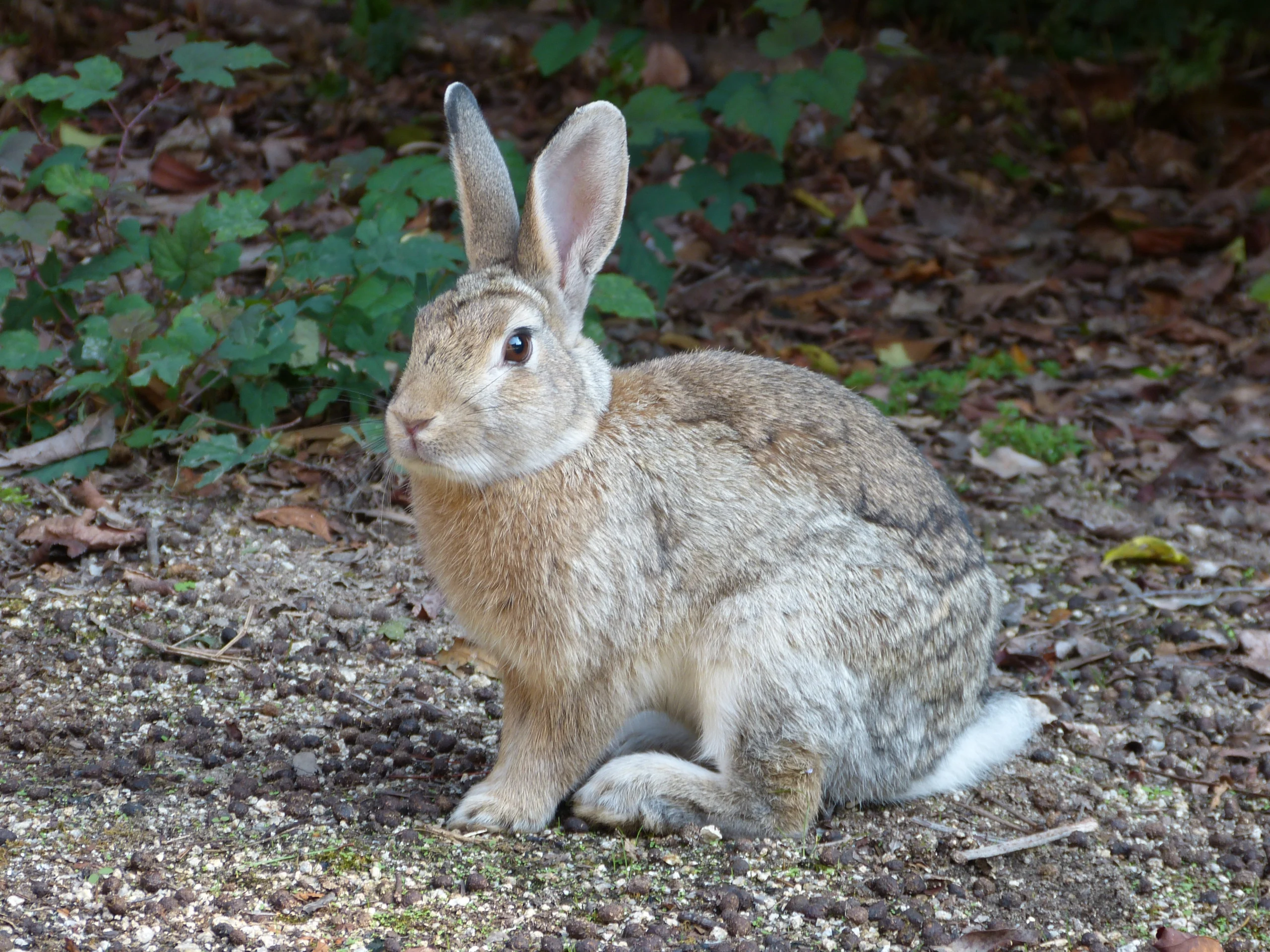
Just off the coast of Hiroshima, nestled in the calm waters of the Seto Inland Sea, lies Okunoshima—a place as charming as it is haunting. Known globally as “Rabbit Island” (Usagi-jima), it’s home to hundreds of tame rabbits that hop freely through its paths, fields, and beaches. But beyond its Instagram-worthy appeal, Okunoshima harbors a chilling piece of Japan’s wartime history.
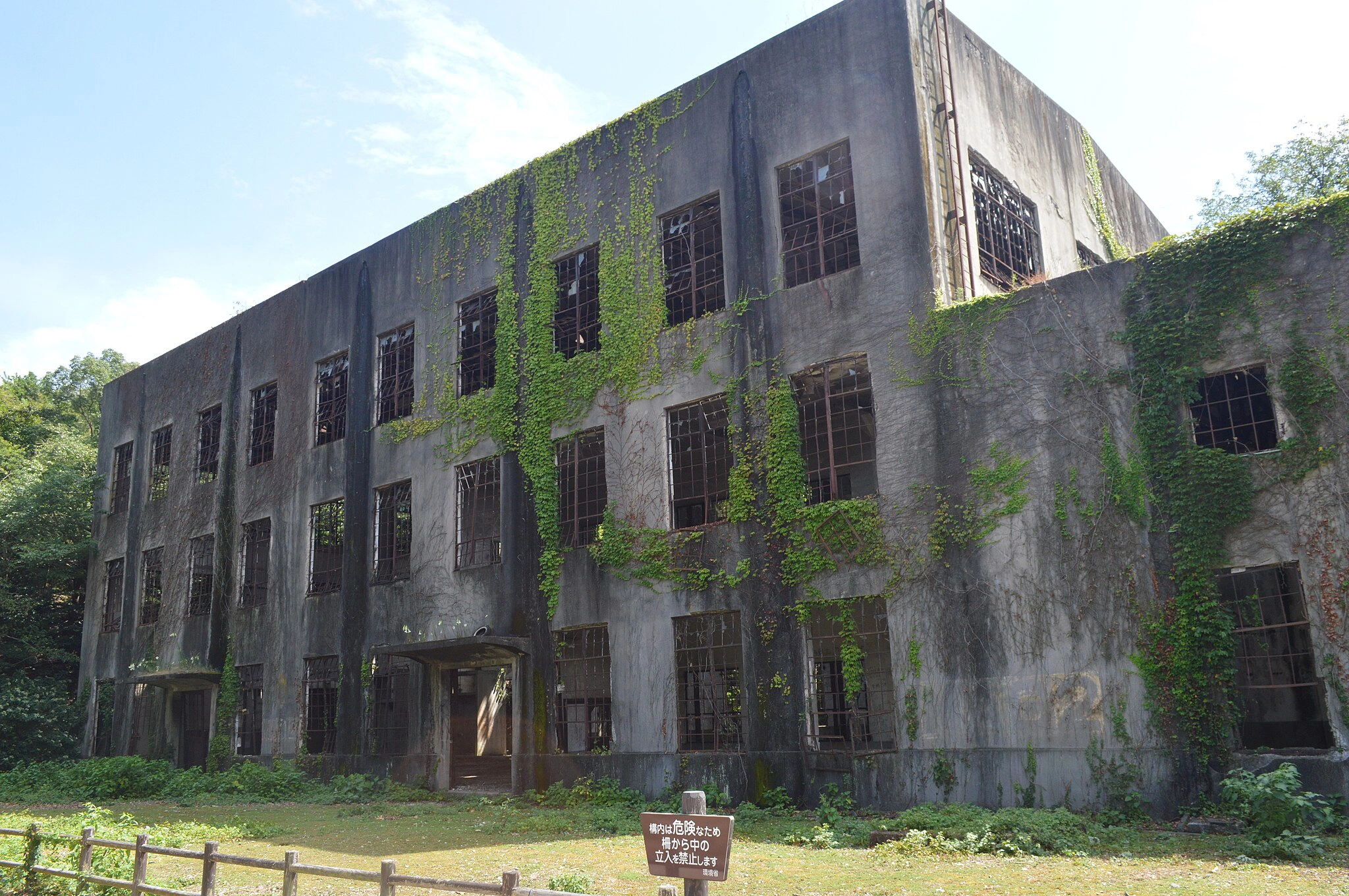
During World War II, Okunoshima was chosen as a secret site for producing chemical weapons, including mustard gas. Its isolation made it ideal for covert operations. The island was even removed from certain official maps, and those who worked there were sworn to secrecy. Many suffered long-term health effects—some of which were only acknowledged decades later.
Today, the Poison Gas Museum on the island documents this hidden past. Modest in size but emotionally powerful, it offers a sobering look at Japan’s use of chemical weapons and the human cost involved. It’s a stark contrast to the cheerful atmosphere outside, where rabbits bounce along the walkways.
The origin of the rabbits remains uncertain. Some claim they were released by workers after the factory shut down in 1945. Others suggest they were introduced later as part of a tourism campaign. Whatever the truth, the rabbits flourished—free of predators and embraced by visitors who bring food and gentle affection. They approach without fear, turning every walk into a fairy-tale moment.
In addition to the rabbits and the museum, Okunoshima features moss-covered ruins, forested trails, serene beaches, and panoramic views of the Seto Inland Sea. There’s a small hotel (Kyukamura Okunoshima), camping grounds, and plenty of space for a quiet retreat away from Japan’s busy cities.
Okunoshima is not just a quirky destination—it is a living juxtaposition. A place where innocence and atrocity share the same soil. It teaches us that history, no matter how hidden, leaves traces—and sometimes, those traces hop right up to say hello.