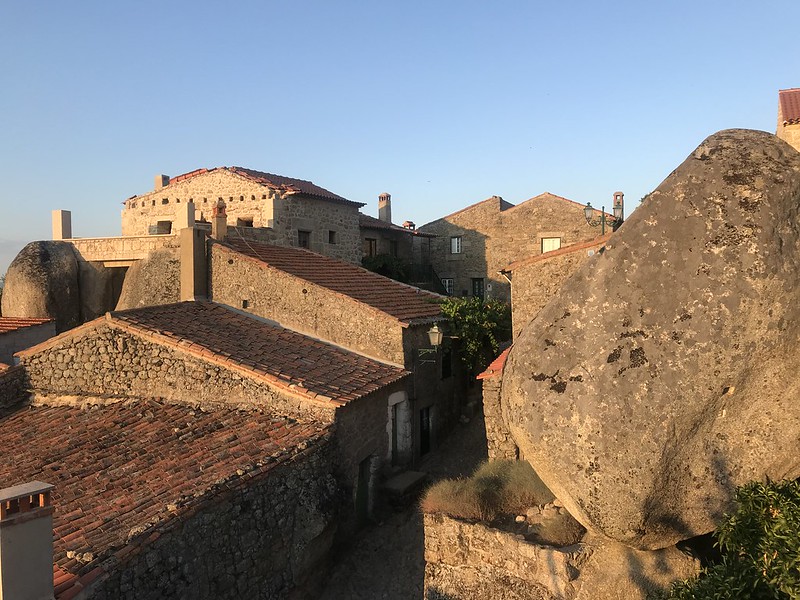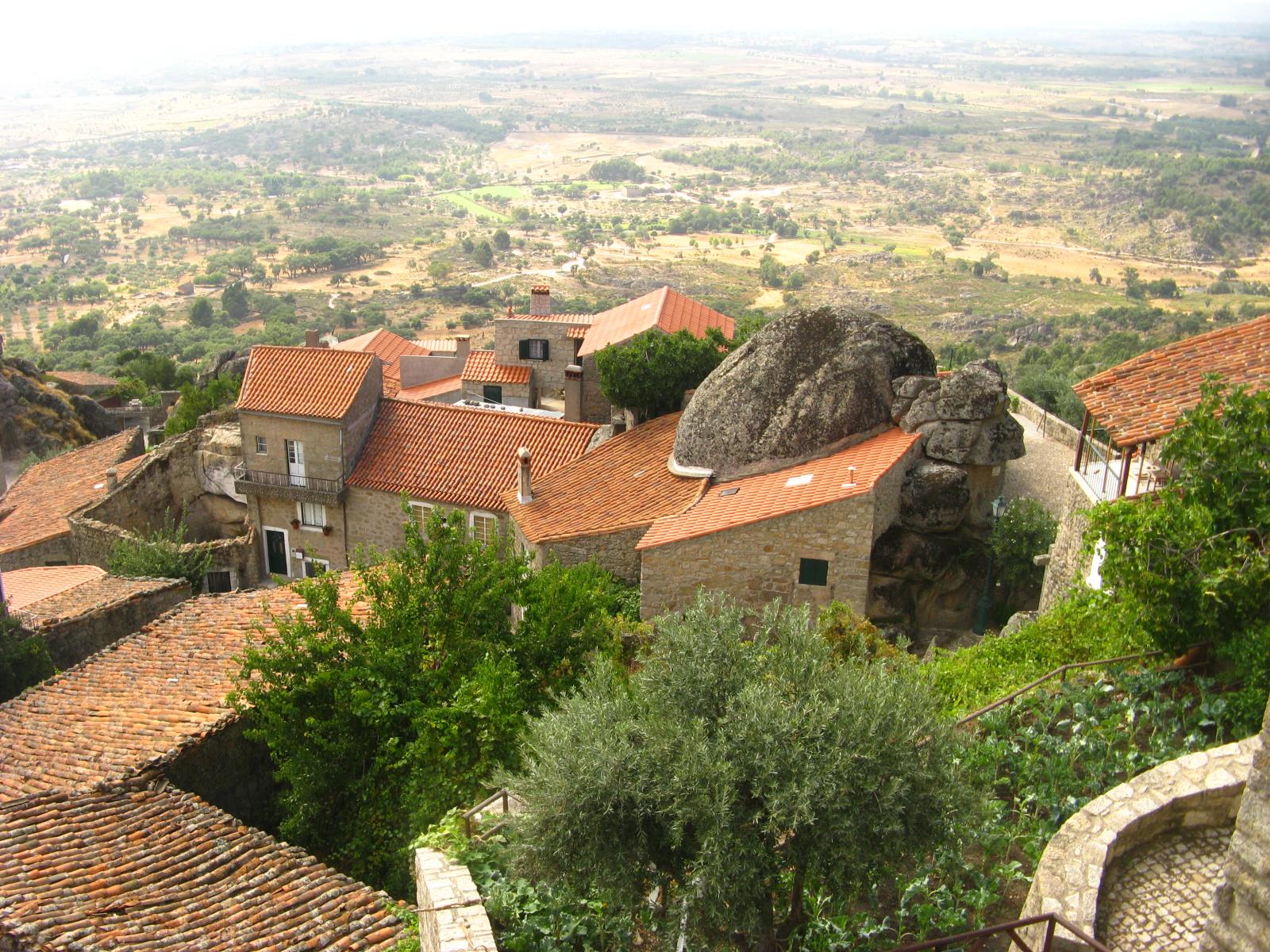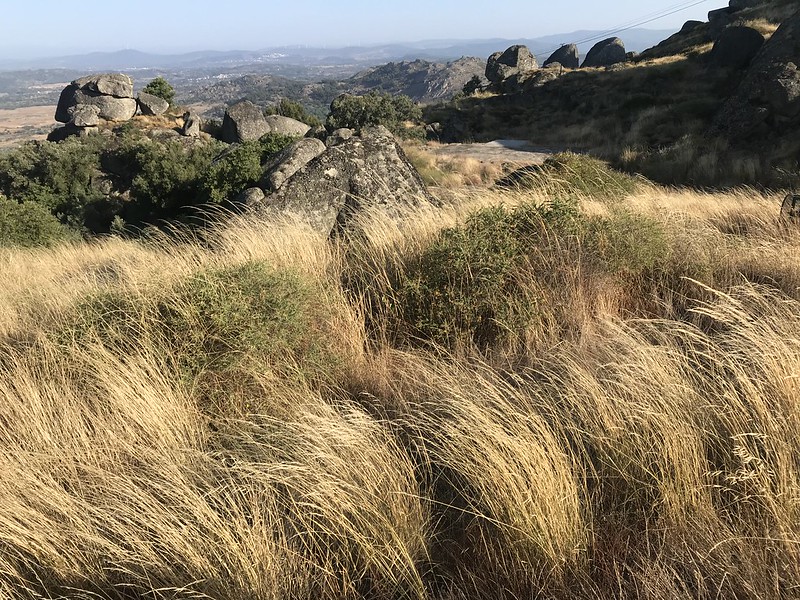
Perched atop a granite hill in central Portugal, there is a village that feels frozen in time: Monsanto Portugal. Officially acclaimed as “the most Portuguese village in Portugal” in 1938, this architectural gem is not just a destination, but a symbol of human resilience and perfect symbiosis with nature. Here, stone houses are literally built between, beneath, and around massive granite boulders. It is a stunning sight to see roofs resting on multi-ton rocks or a natural boulder forming one of a home’s walls, defying gravity and turning each dwelling into a work of art and a feat of adaptation.
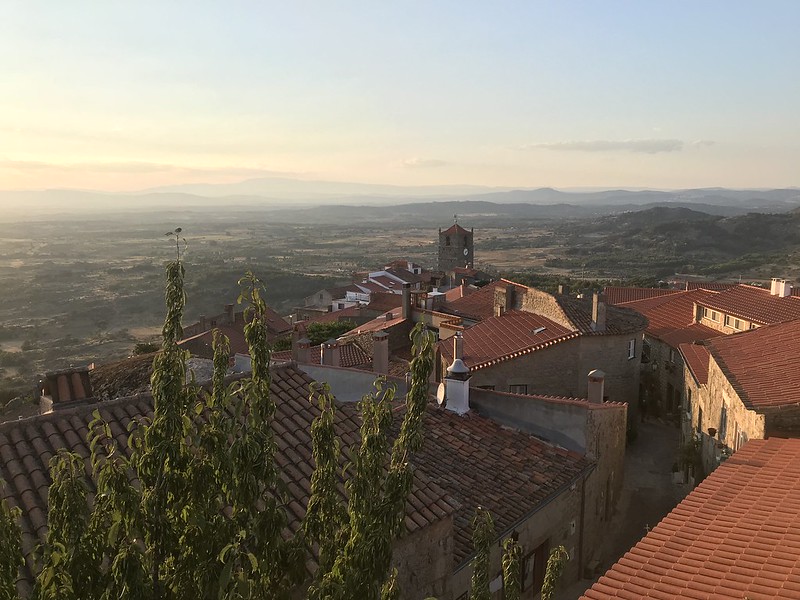
The history of Monsanto, Portugal’s most Portuguese village, dates back to pre-Roman times, with traces of Paleolithic settlements. However, the site where the village stands was sacred to the Celts, who erected a strategic fort before the Moors built the castle. The most sensitive travelers claim that you can feel an ancient energy while walking its paths, where history and mythology intertwine. In the Middle Ages, its castle, whose ruins can still be explored at the summit, was rebuilt by the Knights Templar in the 12th century. From this point, visitors are rewarded with sweeping views that stretch across valleys and hills, and on clear days, you can even glimpse the silhouette of Spain.
The mystical atmosphere of Monsanto is due, in large part, to the stories that have forged its identity. One of the most fascinating legends is that of the “Festa das Cruzes” or Feast of the Crosses, a celebration with deep roots in a tale of resistance. During a long siege, the villagers tricked the enemy by throwing their very last sack of wheat over the castle walls to make them believe they had abundant supplies. The ruse worked, and the invaders withdrew. Today, this story is symbolically reenacted during the festival, when a local girl throws flowers from the top of the castle, adding a touch of mysticism to the fighting spirit of its inhabitants. This celebration is not just an act of remembrance but a living reminder of the ingenuity and pride of the Monsanto community.
Visiting Monsanto is like stepping into a storybook. Its narrow, steep streets are too narrow for cars, so exploring is a journey on foot, where every corner holds a piece of history. The sounds of the village are minimal; the echo of the bells chiming from the Torre de Lucano, a clock tower perched atop a boulder, is often the only thing that breaks the silence. In the 20th century, its otherworldly landscape and mystical charm caught the eye of filmmakers and authors, serving as inspiration for fantasy worlds. If you are interested in mystical tourism and cultural exploration, consider delving into the network of historical villages of Portugal.
Practical Traveler-to-Traveler Tips: Monsanto is a place for walking, so wear comfortable shoes and be prepared for steep, uneven paths. The best time to visit is in spring or autumn to avoid the summer heat. Support small local businesses by buying stone crafts or enjoying the local cuisine in their taverns. Be sure to try the wines of the Beira Baixa region and the local goat cheese for a complete sensory experience. The tranquility of the place allows for deep reflection on life in ancient times and the lack of mass tourism makes the experience even more authentic.
In short, the Aldeia de Monsanto Portugal is more than a destination; it’s an experience that reconnects you with history, nature, and human creativity. It’s a call to adventure for those who seek a place that speaks to them, a “sacred mountain” of stone that still stands, vigilant, on the border.