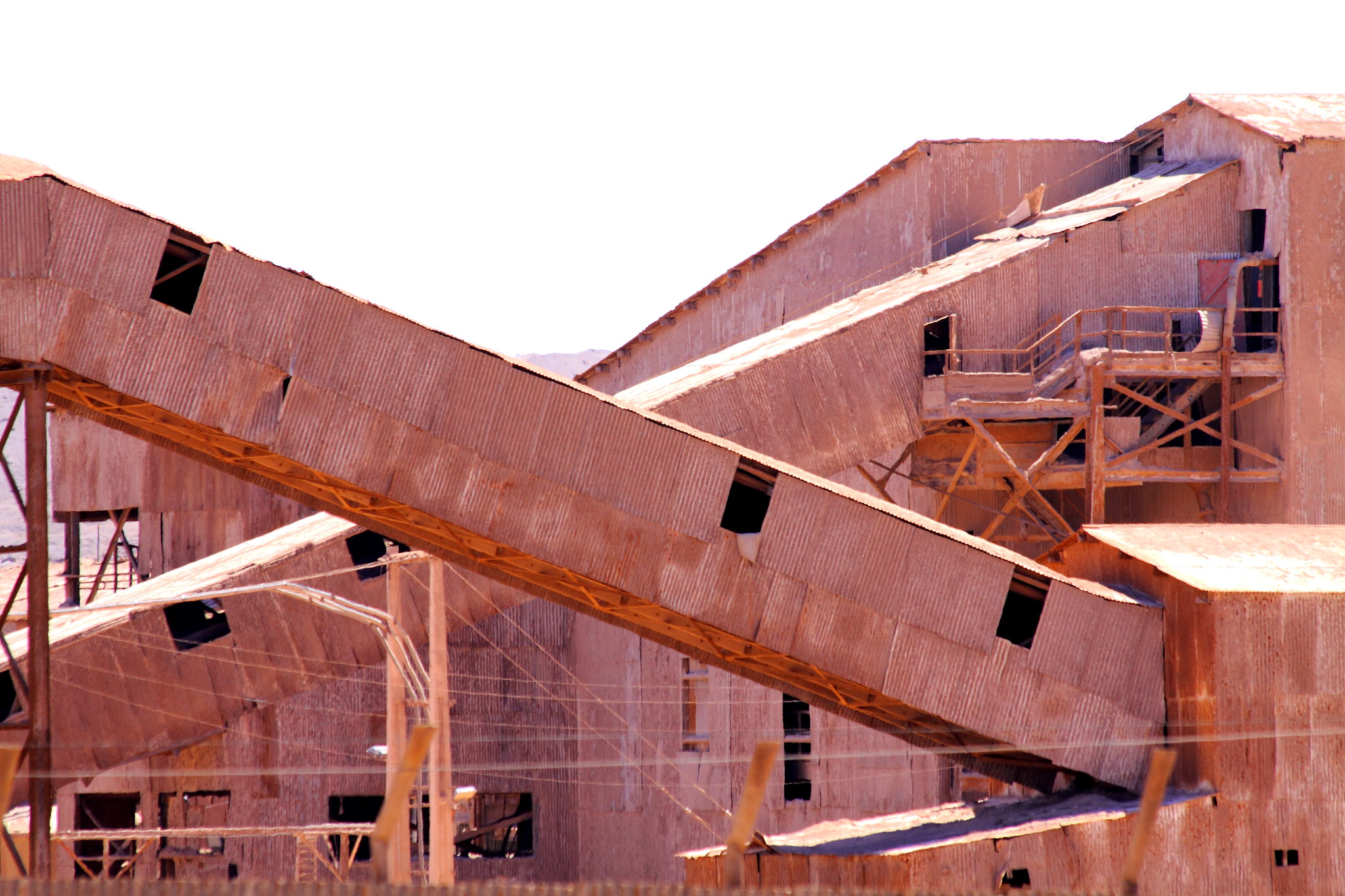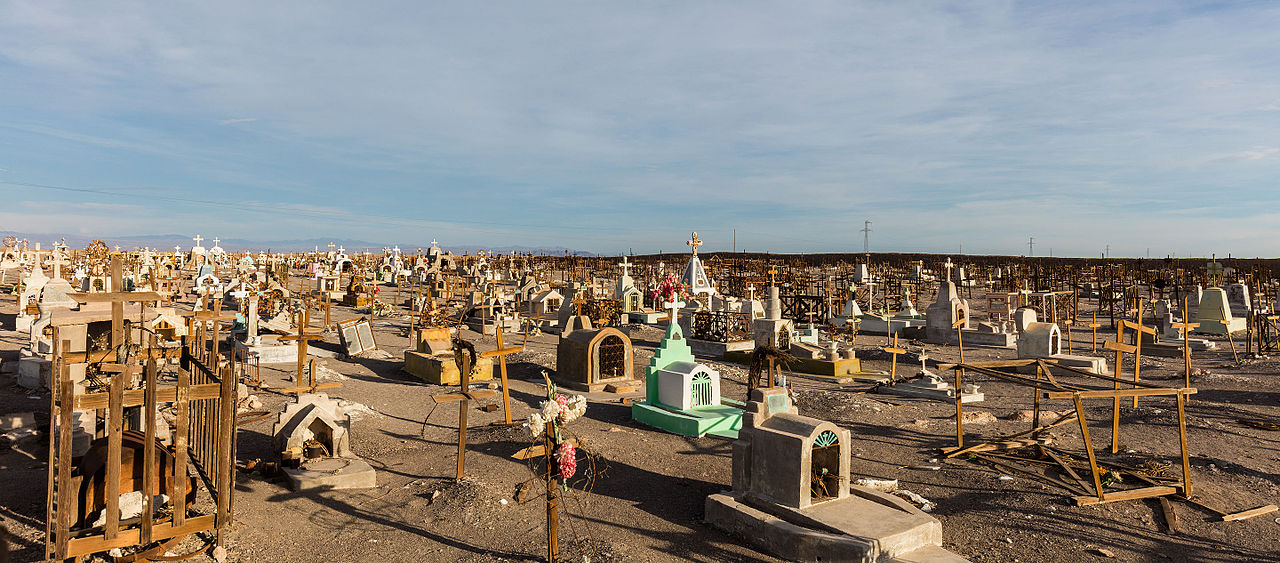
In the vastness of the Atacama Desert, in the Antofagasta Region of Chile, where extreme aridity shapes a lunar landscape, stands a singular testament to a golden industrial era: the María Elena Saltpeter Office. Founded in 1926, it is not only the last operating saltpeter office in Chile but also a crucible of history, innovation, and a surprising urban planning that evokes the flag of the United Kingdom, an echo of the strong British influence on the saltpeter industry that marked the nation’s destiny. For the traveler seeking to immerse themselves in a fascinating industrial past, explore a resilient community in an extreme environment, and unravel the secrets of an unusual urban design, María Elena offers an authentic and profoundly revealing experience.
Far from conventional tourist circuits, María Elena invites a leisurely exploration, where every corner tells a story of boom, decline, and perseverance. Its name, a tribute to Mary Ellen Comdon, wife of Elías Cappelen Smith, the engineer behind the implementation of the revolutionary Guggenheim production system, underscores the importance of technological innovation that allowed this office to survive the competition of synthetic saltpeter. This system, a significant chemical advance for its time, consolidated María Elena as a productive giant in the desert.
The urban layout of María Elena, deliberately designed as the Union Jack, is not a mere architectural curiosity. It reflects the investment and vision of the British companies that drove the Chilean saltpeter industry. Walking through its streets is stepping into an urban planning model of the early 20th century, where the civic district, declared a Historical Monument, was the heart of community life. The San Rafael Arcángel Church, the Metro Theater (a former cultural epicenter), the former Consolidated School (now the Saltpeter Museum), the traditional “pulpería” (much more than a store), and the local market evoke an era of intense activity and a strong sense of belonging in the midst of the desert’s solitude.
Life in María Elena was a self-sufficient microcosm, with its own social and labor dynamics. The “pulpería” was the meeting point, the theater the space for recreation, and the school the pillar of education. Working conditions in the saltpeter industry were often demanding, but in María Elena, over time, they were adapted to more modern regulations, maintaining a resilient community spirit.
The 2007 earthquake left a visible mark but also demonstrated the strength of its inhabitants and the commitment to preserving their heritage. The restoration of facades and the opening of the Saltpeter Museum in the old school are testimonies to this effort to keep alive the memory of a past that continues to beat in the present.
Visiting María Elena is an opportunity to understand the magnitude of the impact of the saltpeter industry on Chile’s history, to marvel at the audacity of its urban design, and to connect with a community that has known how to adapt and maintain its identity in a challenging environment. It is a living legacy in the desert, waiting to be discovered by those seeking authentic stories beyond the conventional tourist destinations of the Atacama Desert.