It’s hard to believe that a place of such beauty remains off the radar of mass tourism, yet Jodhpur —known as India’s Blue City— has managed to preserve its mystique. Located on the edge of the Thar Desert, this ancient city moves to its own rhythm. Though it occasionally appears on travel itineraries, most visitors are drawn instead to Jaipur’s glitter or Udaipur’s romance. But Jodhpur holds secrets the guidebooks overlook.
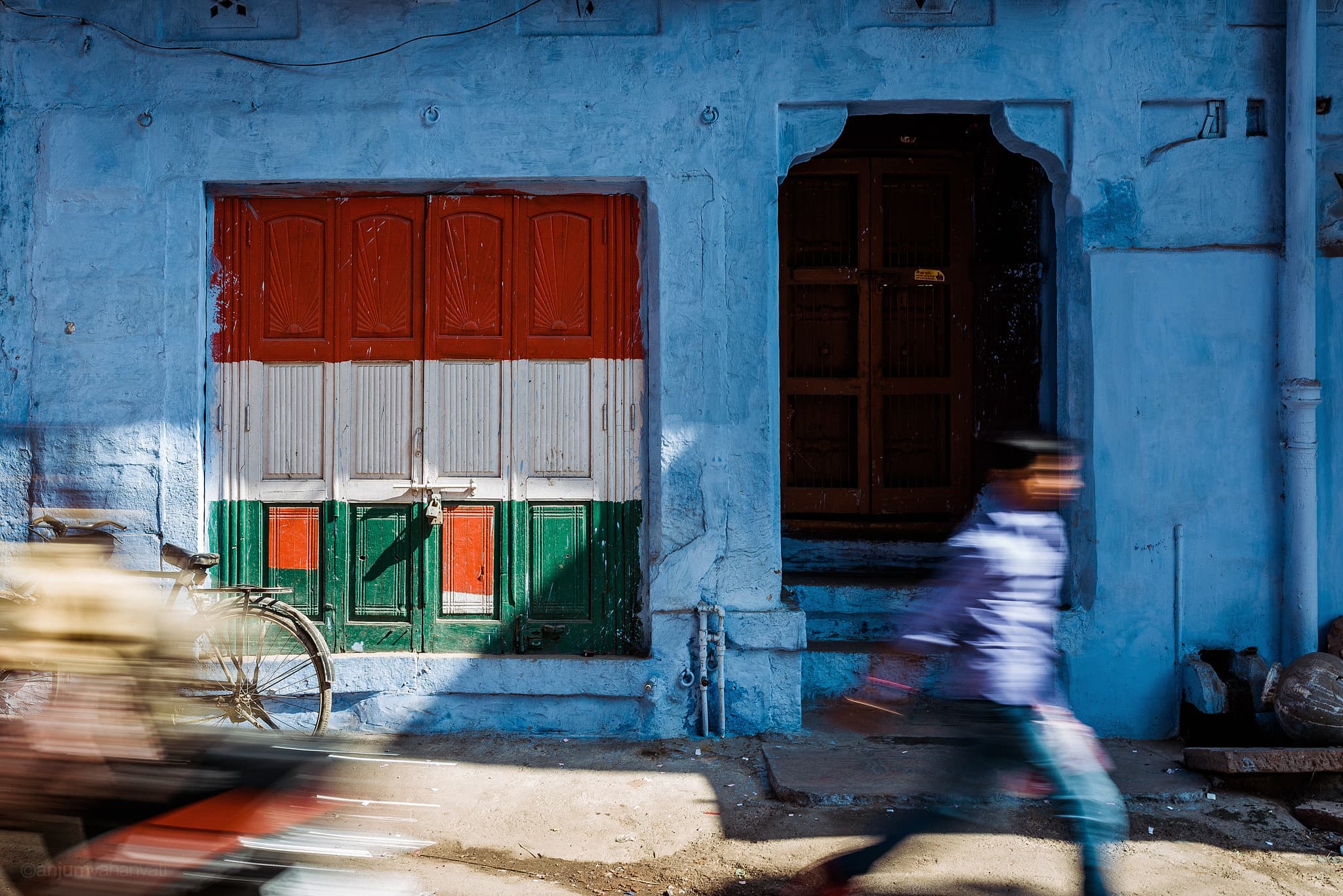
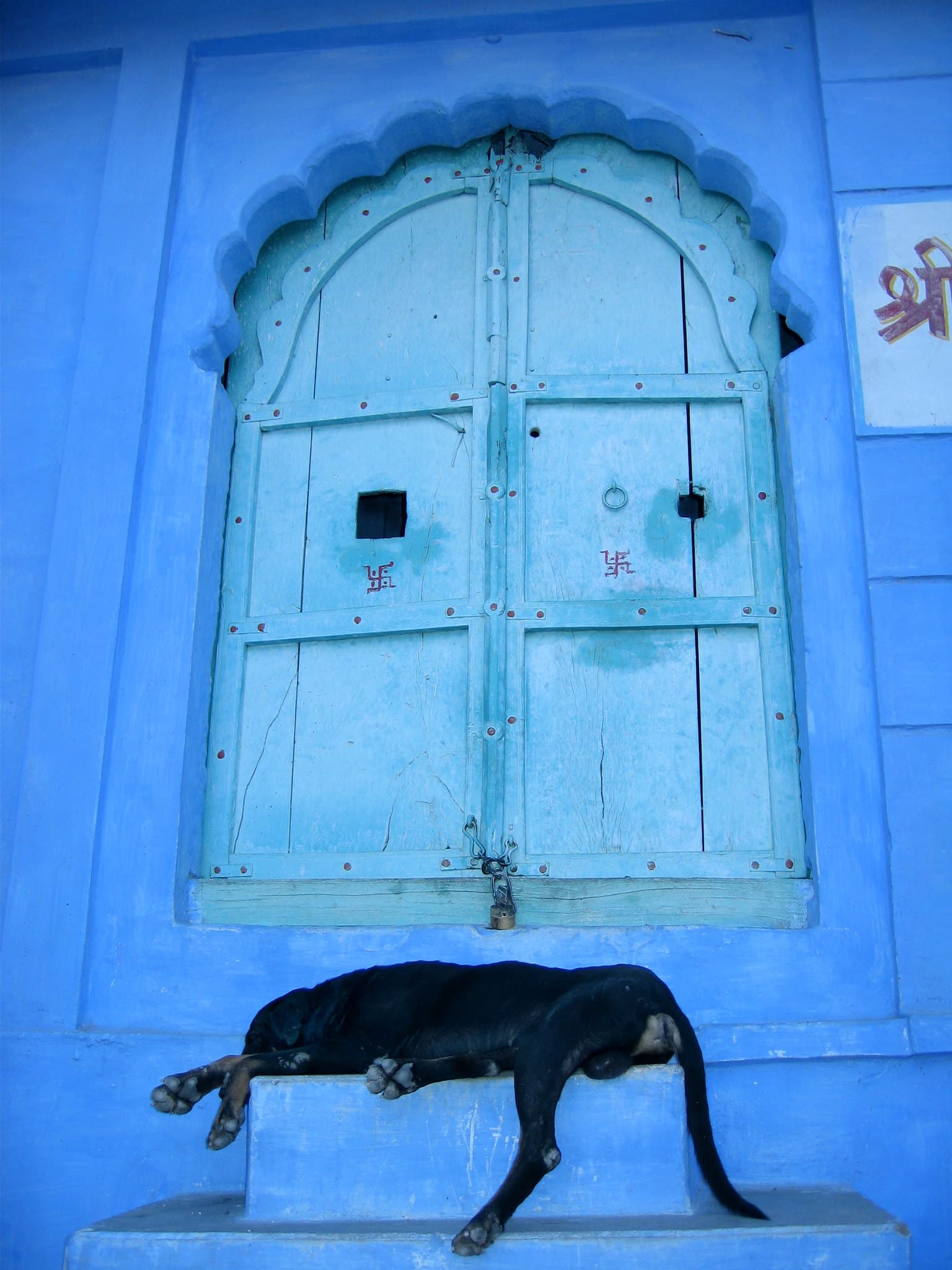
At its heart lies a chromatic symphony: cobalt-blue homes stretch out like an urban sea. This hue is not accidental. Historically, it marked the homes of Brahmins, India’s priestly caste. Over time, others adopted the practice, drawn by its practical benefits—cooling effects and mosquito repellent properties. Today, this distinctive color defines the city’s identity.
Wandering through the alleys of old Jodhpur is a total sensory experience. Sunlight dances on indigo walls while the air is filled with the scent of spices, incense, and desert dust. One doesn’t encounter crowds here, but rather curious eyes, shy greetings, and a pace of life that invites stillness. Jodhpur encourages slow exploration, the kind where each corner hides something unexpected.
Overlooking the blue sprawl is Mehrangarh Fort, one of India’s largest and best-preserved fortresses. More than a relic, it is a living witness of Rajasthan’s storied past. Built in the 15th century by Rao Jodha, the city’s founder, the fort rises 120 meters above the plain, offering breathtaking views. Its walls still bear the scars of cannon fire, while inside, a maze of palaces, courtyards, and shrines seem to whisper old tales.
But Jodhpur’s true magic lies in its details: a textile workshop hidden behind an unmarked door, a rooftop family brewing chai for neighbors, a market where haggling becomes performance, and where fabrics and bangles shine brighter than any tourist boutique. These moments—raw and unscripted—are what make Jodhpur genuinely unforgettable.
The city also holds strong artisanal traditions. Locals craft copperware, glazed ceramics, and handwoven fabrics using centuries-old techniques largely unknown beyond the region. It’s also home to a vibrant musical heritage preserved by the Manganiyars, a community of hereditary musicians who pass their art down through generations.
The best time to explore Jodhpur is at dawn. The soft light paints the blue walls in pastel hues, and the sounds of the city’s awakening—birds, distant prayers, trickling fountains—create a private melody for the traveler. Few places offer such an intimate connection to the spirit of India as Jodhpur at sunrise.
Despite its wonders, Jodhpur remains outside the international spotlight. This makes it a rare find for those seeking authentic experiences, far from tourist traps and curated Instagram moments. Every street, every smile, and every silence holds the potential for discovery in this city that still keeps its soul intact.
Sources:
Mehrangarh Museum Trust
https://www.mehrangarh.org
Incredible India – Ministry of Tourism, Government of India
https://www.incredibleindia.org
UNESCO Intangible Cultural Heritage – Manganiyar community
https://ich.unesco.org
BBC Travel – “Why India’s Blue City is blue”
https://www.bbc.com/travel/article/20200225-why-indias-blue-city-is-blue