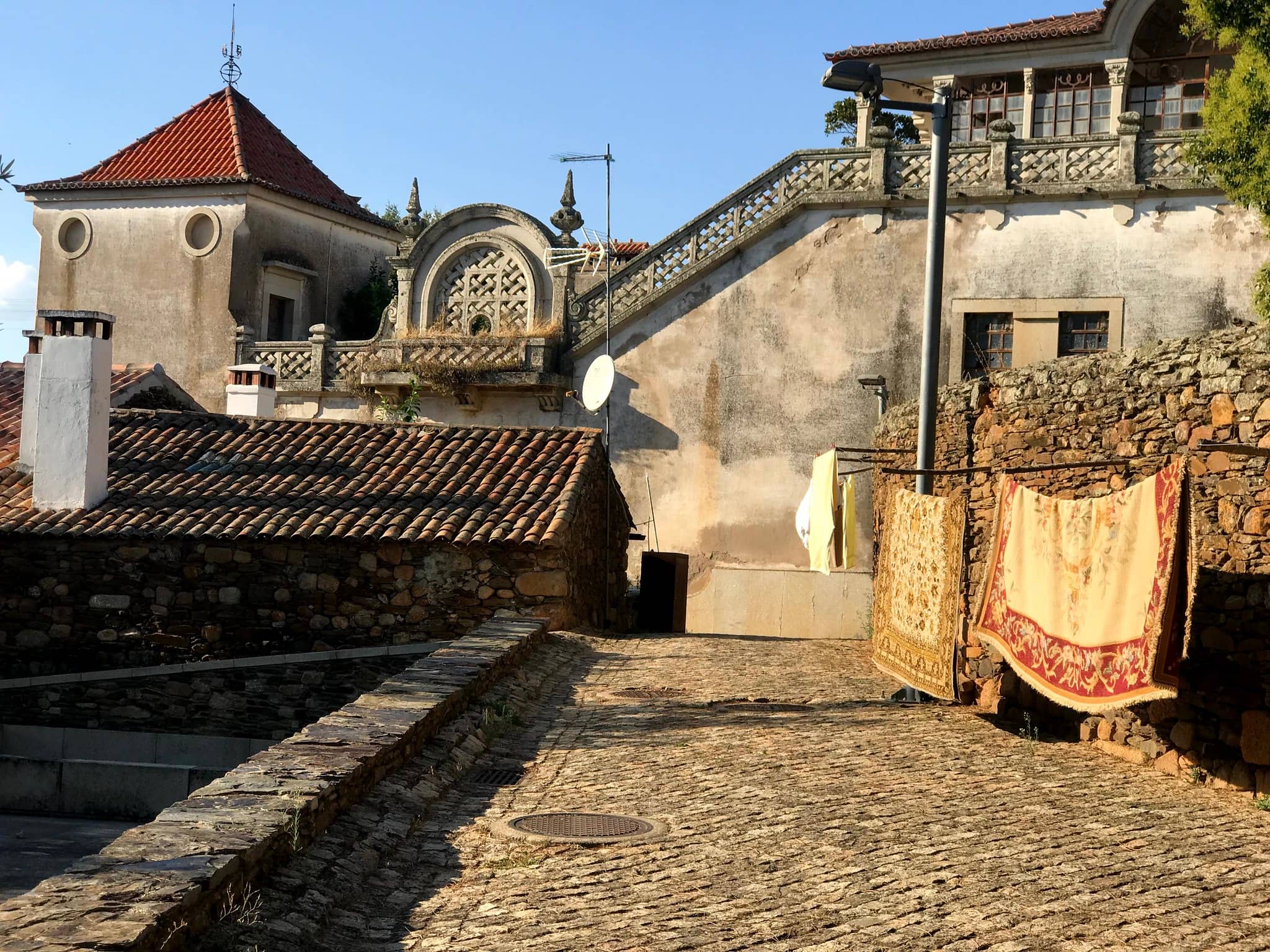
In the heart of the Beira Baixa, far from the hustle and bustle of tourist routes, a jewel is hidden that is not just a village, but a gateway to another era. Idanha-a-Velha historic Portuguese village is a whisper from the past, an experience lived with all the senses. Upon crossing its walls, the air changes: it smells of ancient earth and dry grass, a perfume that has been preserved over the centuries. Here, the silence is broken only by the chirping of birds or the echo of your own footsteps on the stones, worn by countless generations. It’s a feeling of intimacy and solitude that allows you to connect with the memory of the place in a profound way. It’s as if history were speaking to you in a low, unhurried voice, inviting you to listen.
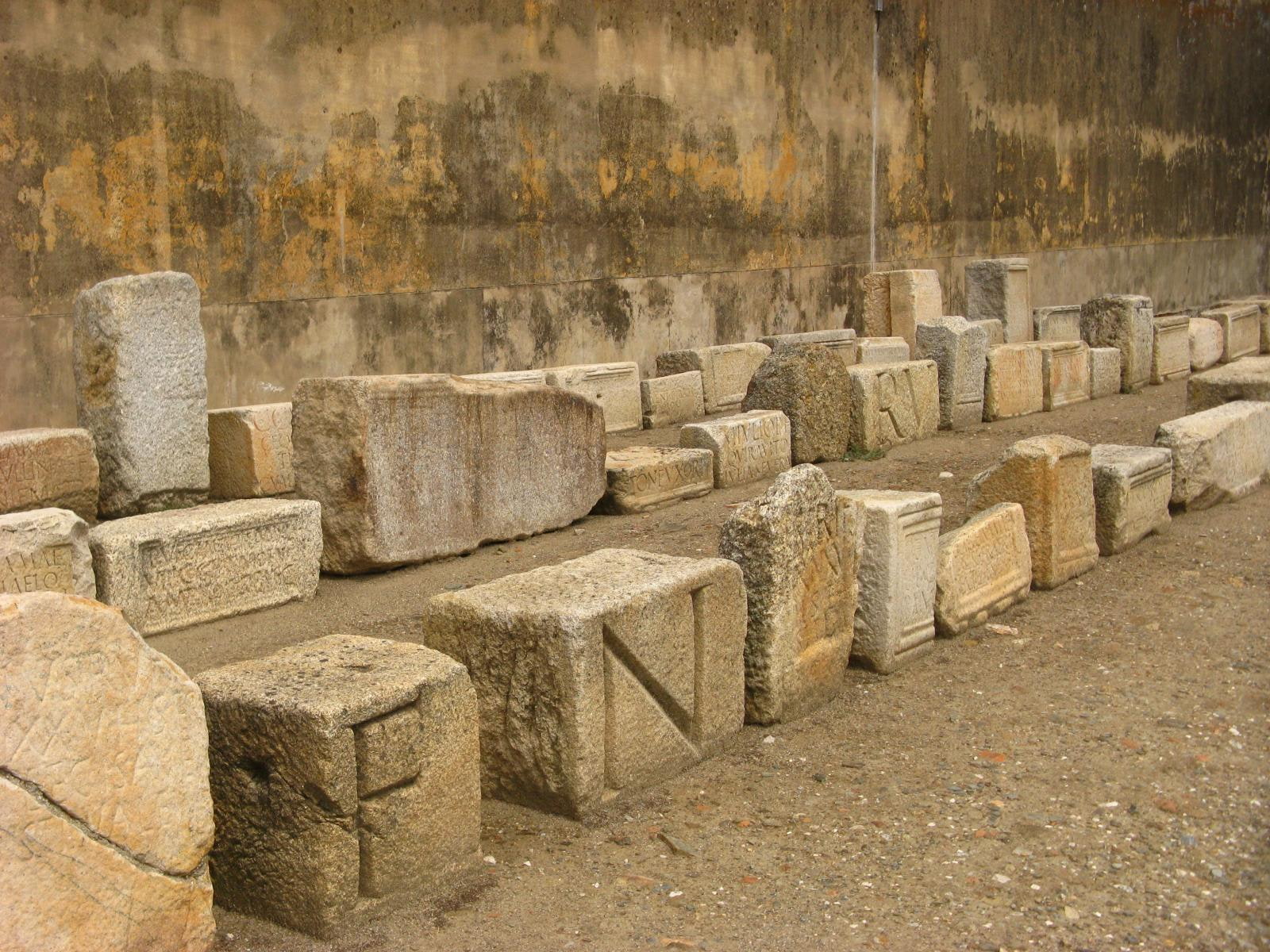
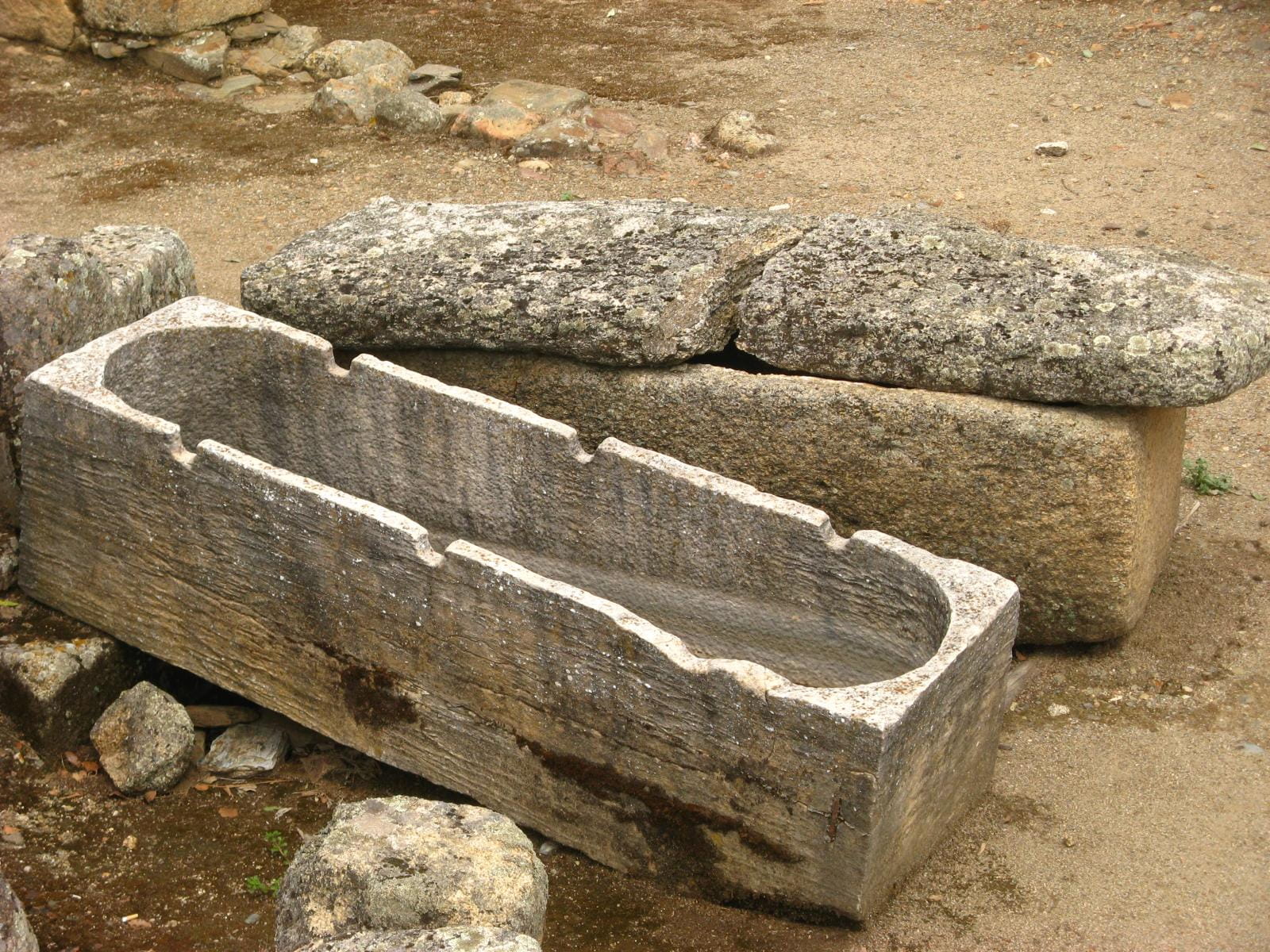
The foundations of this ancient Roman and Visigothic Egitânia are a canvas painted with the brushes of different civilizations. The remains of the podium of a Roman temple remind you that this was an important urban center of the province of Lusitania. Right on top of it, the defensive tower built by the Templars stands, a testament to the layering of history in every corner. One of the village’s most unique treasures is the countless funerary epigraphs, the largest collection of its kind in Portugal, scattered throughout the streets and walls. It is in these stone-engraved fragments that the historical narrative ceases to be an abstraction and becomes tangible, palpable. The solitude and tranquility of Idanha-a-Velha are its greatest charm. Unlike other more well-known destinations, here you can spend hours without running into anyone, which turns exploration into a true adventure of introspection. You can feel the soft texture of a wall that has seen more than two thousand years of history pass by, close your eyes, and imagine the voices of Roman legionaries or the murmur of Visigothic monks.
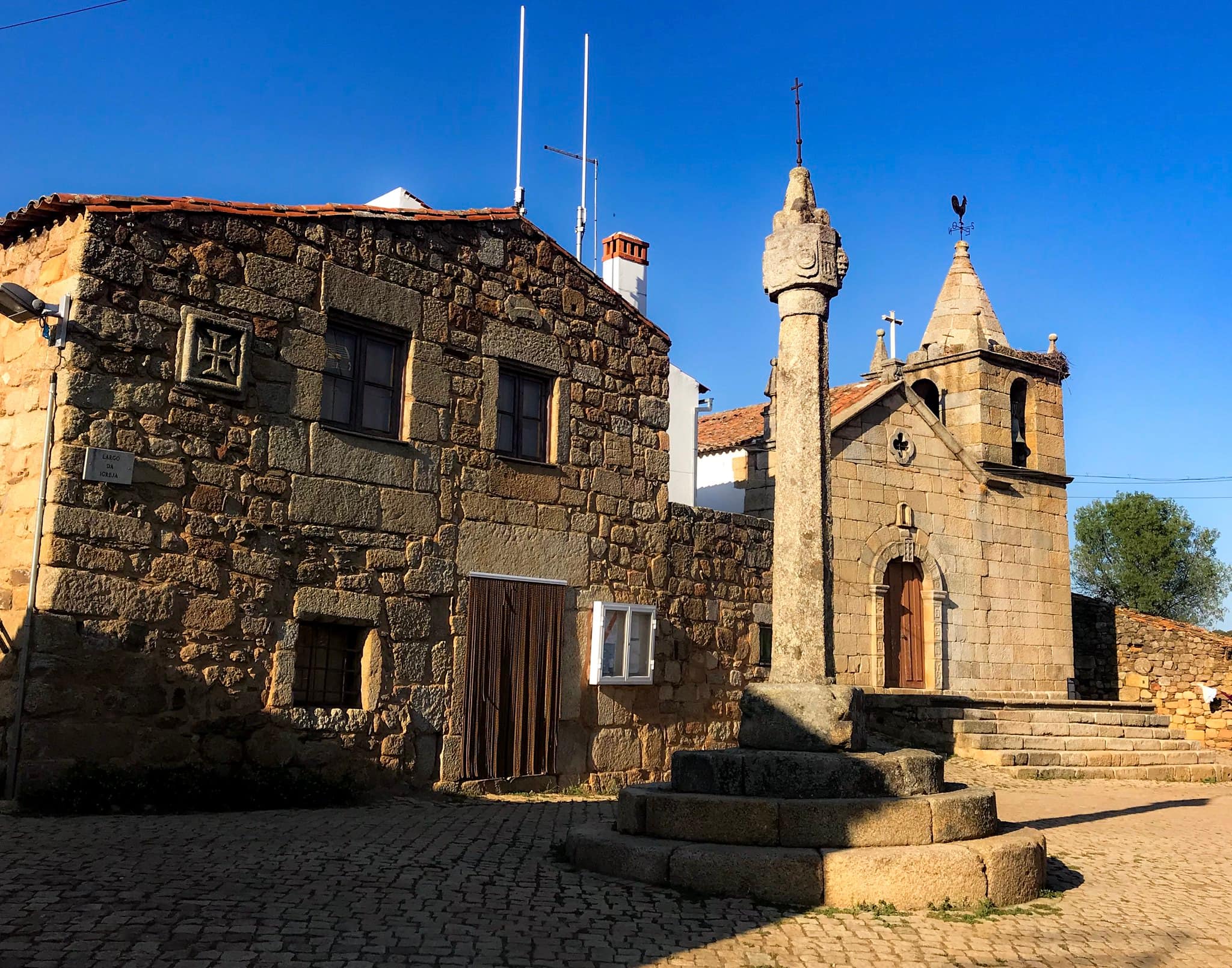
The village’s legacy goes beyond its stones. A little-known fact is that the old cathedral, or Sé, stands on the remains of an ancient early Christian temple, underscoring the continuity of worship in this sacred place. Inside the Sé, the Visigothic baptistery, one of the oldest in Portugal, is a place of special mysticism, an echo of the faith of the first Christians on the peninsula. Local legends, such as that of King Wamba, are intertwined with this atmosphere. It is said that Wamba, a simple farmer, only accepted the crown when his dry ash stick, which he planted in the ground, instantly bloomed. This myth of divine and earthly origin resonates in the quietude of the place. To immerse yourself in history, there is no better activity than getting lost aimlessly in the alleys, letting your instinct guide you. This is how you can discover the hidden gems of the village: the remains of the Porta Norte, the old pelourinho, or the small chapels. As a traveler, I recommend wearing comfortable shoes for the uneven ground and bringing a bottle of water, as the sun in the Beira Baixa can be intense.
The authenticity of Idanha-a-Velha historic Portuguese village is felt in the interactions with its approximately 60 inhabitants, who keep the traditions alive. You can run into an elder who will tell you, with a smile, what life was like in the past, or see a woman baking bread in the communal oven. While the restaurant offer is limited, the warmth of its people and the possibility of enjoying a home-cooked meal more than make up for it. For those seeking a deeper connection with nature, the village is located in the Tejo Internacional Natural Park, a paradise for bird lovers. A walk along the banks of the Ponsul River, near the remains of a Roman bridge, is a true breath of fresh air. The smell of damp earth, the sound of flowing water, and the singing of birds invite contemplation and reflection. This journey is an invitation to the adventure of self-discovery, to understand that sometimes, the grandest places are not those with crowds, but those that whisper their history with the calm of centuries.
To delve deeper into the place’s heritage, you can explore the resources available on the Historic Villages of Portugal website which offers detailed information about its legacy. If you are interested in archaeology and research, the reports from the Institute of Archaeology of Portugal are an invaluable source. And for more inspiration, we suggest you explore the guide to “Beira Baixa routes,” a future publication that will lead you to discover other fascinating destinations in the region, such as Monsanto and Penha Garcia. These links will help you plan a richer and more complete experience, connecting the dots of your own historical route.