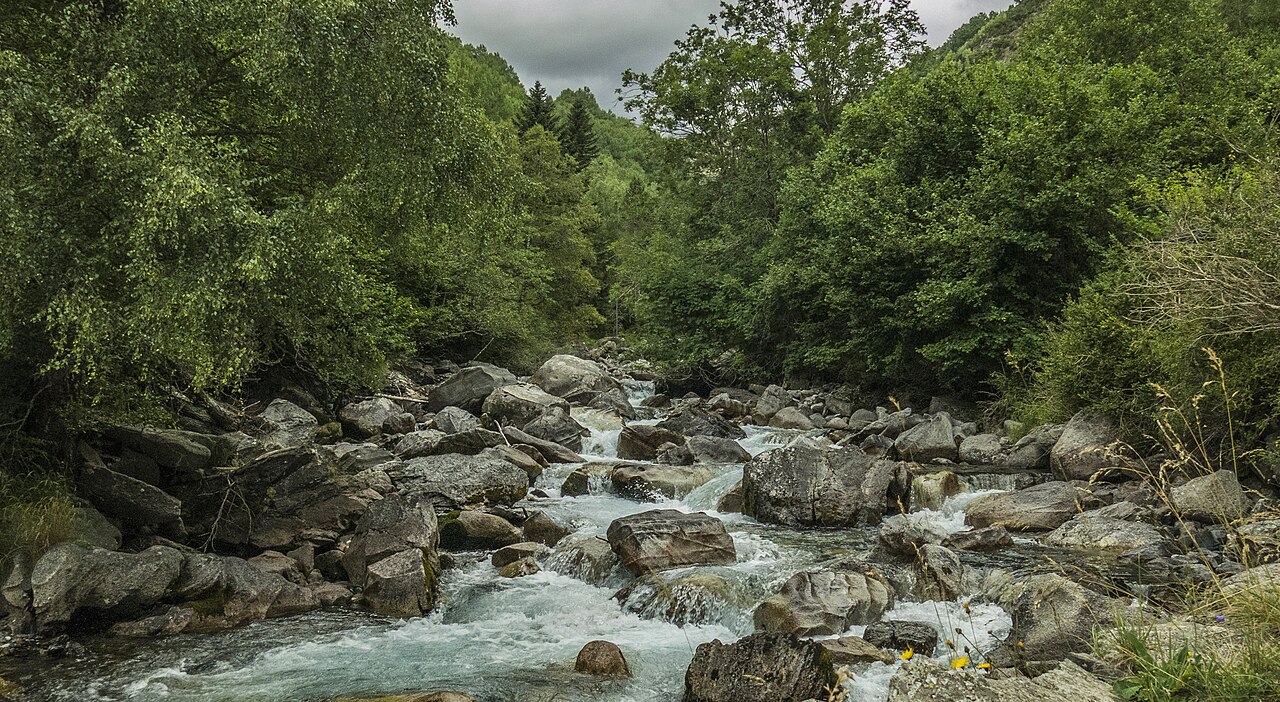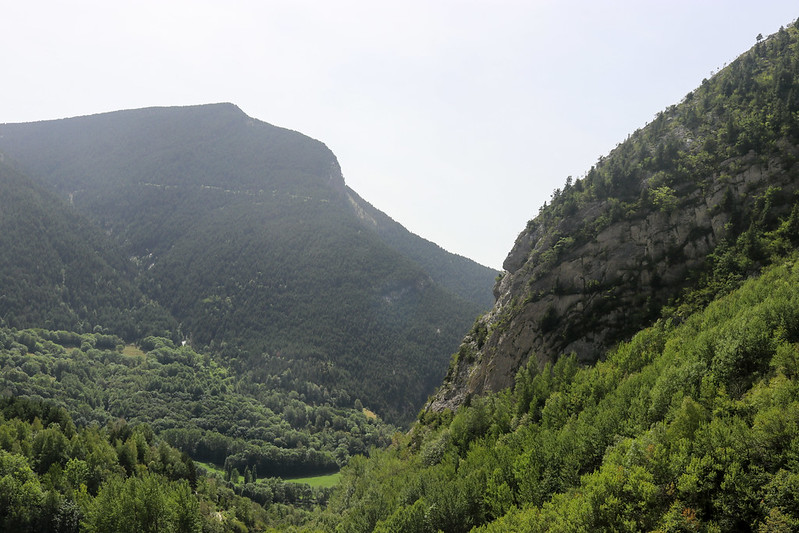
In the vast canvas of the Pyrenees, where peaks tear the sky and forests whisper ancient stories, lies a corner of pristine beauty and overwhelming quietness: the Estós Valley. Far from the crowded tourist circuits and more frequented routes, this glacial valley, nestled in the province of Huesca, reveals itself as a true sanctuary for the adventurous spirit and the soul that yearns for deep contemplation. It is not a destination one stumbles upon by chance; access to the Estós Valley demands dedication, a hike from Benasque that, in itself, becomes the prelude to a transformative experience.
Venturing into Estós is to embark on a journey through time and space, where the landscape transforms into a symphony of glacial forms sculpted over millennia. The imposing peaks that guard it, vestiges of a remote geological era, embrace a terrain where water, in its various forms, has been the main artist. Crystal-clear glacial lakes, reflecting the blue sky, dot the valley, offering a chromatic contrast that mesmerizes. Here, every step on the trail reveals untouched nature Spain at its finest, an ecosystem where Pyrenean flora and fauna thrive in a delicate balance. It is a delight for the senses, a place where pure air fills the lungs and the scent of pine and damp earth invites disconnection.
The true magic of the Estós Valley lies in its silence. A silence so pure that it allows one to hear their own heartbeat, the almost inaudible murmur of the wind through the trees, or the distant tinkling of a cattle bell. This isolation, which places it among the unusual Pyrenees, makes it the perfect refuge for contemplative travel. It is a space where haste fades and time seems to slow down, inviting reflection and an intimate connection with the surroundings. Here, hidden trails guide you not only through stunning landscapes but also through personal introspection.
Amidst this natural splendor, emerge the ruins of cabins, silent witnesses to past lives, of shepherds and mountaineers who found their home and livelihood in this valley. These stone structures, eroded by time and weather, add a layer of history and mystery to the landscape. They are not mere vestiges; they are the materialization of a natural heritage and culture that connects us with human resilience and the deep relationship between man and the mountain. Imagining life in these remote confines, under the watchful eye of the glacial landscapes, is an exercise in humility and admiration.
For the hiking Huesca enthusiast, Estós offers a Pyrenees adventure that goes beyond mere physical activity. The hike, though challenging in some sections, rewards with breathtaking panoramic views. If you dare to explore this corner, I advise you to wear good footwear, layers of clothing, and, above all, a camera with an extra battery, because every turn in the path is a postcard. Furthermore, the Estós refuge, strategically located, offers a point of rest and shelter for those who wish to prolong their immersion in the valley. It is a place where sharing experiences with other travelers and mountaineers becomes part of the adventure.
The preservation of this ecosystem is fundamental. The absence of crowds in the Estós Valley makes it a model for responsible tourism. It is vital that every visitor acts with the utmost environmental awareness, respecting the flora and fauna, and taking all waste with them. The beauty of Estós lies in its wild state, and it is everyone’s responsibility to keep it that way.
The Estós Valley is not just a destination; it is a transformative experience. It is the opportunity to disconnect from the world’s hustle and bustle and reconnect with one’s essence through the majesty of nature. If you are looking for a journey that goes beyond the conventional, that challenges you and rewards you with unparalleled peace, this valley awaits you. Dare to unveil its secrets and live your own adventure in the secret heart of the Aragonese Pyrenees.